
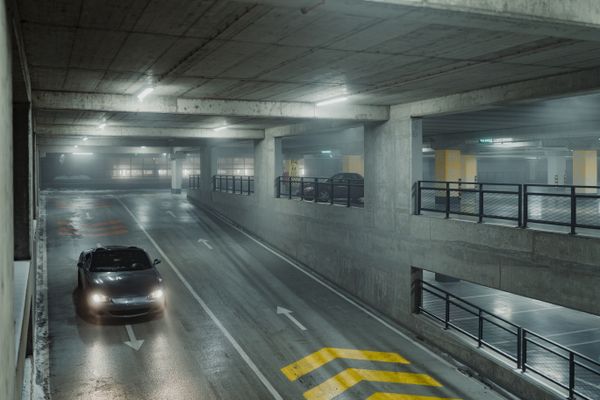
A garage facility needs to adapt to modern vehicle types and utilize clear communication pathways. The infrastructure acts as the initial point of entry for commercial and residential properties, and it makes the setup key for overall mobility. At City Parking, we provide drivers with clear operational protocols, optimized facility layouts, and streamlined transaction processes. Here’s how to improve accessibility in vehicle garages:
Utilizing Reservation and Digital Systems
Modern parking access utilizes digital interfaces, and this allows drivers to secure and manage their spaces before they arrive. Using online booking tools helps drivers plan their routes. The systems display real-time availability across various locations. When platforms allow vehicle operators to arrange text-based or mobile validations, traffic congestion at physical entry points can be reduced.
Digital account management tools enable monthly parkers to update their payment, personal information, and more. It helps them coordinate continuous automatic payments and review digital credentials from cellular devices. Integrating digital accounts with automated garage equipment reduces the physical actions required to enter or exit a facility. Drivers can deploy customized digital car stall permits. This includes using loyalty cards directly at automated scanner terminals; these systems eliminate the need to handle paper tracking tickets or interact manually.
Streamlining Valet Operations and Staff
A garage with valet service enables drivers to exit their vehicles at drop-off zones. This operational path removes the necessity of driving through narrow interior ramps; they also help reduce navigating tight corners. Because trained personnel handle the technical positioning of the vehicle, operators with specific mobility constraints face fewer spatial barriers. The presence of uniform, qualified facility attendants makes sure that assistance remains available. Staff members undergo training to handle diverse vehicle types and complex check-in technologies safely. Attendants may manage structural car access and revenue control hardware; this allows drivers to receive immediate direction regarding vehicle drop-off and retrieval times. The staffing creates an organized workflow, keeping the main traffic lanes clear of idling vehicles and unexpected obstructions.
Standardizing Facility Maintenance
Regular facility maintenance operations, including intensive scheduled washing and routine sweeping, maintain clairty in enclosed garages. Clear structural paint markings indicate pedestrian walkways, vehicle boundaries, and vertical structural columns; this helps prevent navigational confusion. Bright, uniform interior painting reflects light more efficiently throughout subterranean levels, elevating general visibility for drivers and pedestrians.
Maintenance teams can perform routine audits to check that overhead lights work properly. Clear illumination allows vehicle operators to read directional signage; it also helps them spot incoming traffic and locate exit pathways without visual strain. Making sure that all driving surfaces remain flat and structurally sound helps protect vehicles from wheel alignment damage and tracking errors.
Expanding Charging Infrastructure
The growth of electric vehicle utilization requires facilities to integrate charging stations into car stalls. Facilites can install dual-port destination chargers, and it allows drivers to charge vehicle batteries while parked. These charging stalls must feature proper spacing parameters to allow drivers to handle heavy charging cables and connect them to vehicle ports easily.
Accessibility to charging stations can be improved by placing them near main structural conduits; it provides electrical current at maximum operational rates. Drivers are able to identify available charging locations or reserve ahead of time. Clear exterior and interior signage should direct drivers straight to these specialized bays to prevent unnecessary circling within the garage.
The integration of smart power management protocols may protect the local electrical grid from sudden demand spikes. It helps make sure that charging couplers remain mounted at reachable heights; this can keep the infrastructure open to all drivers. A facility improves its EV charging accessibility through apps, reservations of stations, and more.
Use City Parking Today
Improving accessibility in garages involves digital interfaces with physical enhancements. By using structured automated payment methods and digital loyalty platforms, facility operators help remove entry barriers for everyday drivers. Professional valet configurations and well-trained attendants streamline the vehicle drop-off process; this makes it simplerto navigate dense urban centers. Indoor maintenance schedules, uniform lighting, and targeted electric vehicle charging infrastructure adapt older spaces to modern transit needs. At City Parking, our team provides a range of benefits and services to keep our facilities clean and accessible. Explore our website today to learn more about our 200+ locations or review our monthly programs for regular drivers.